 Job Spotlight
5 tips for nursing students from Providence RN Residents
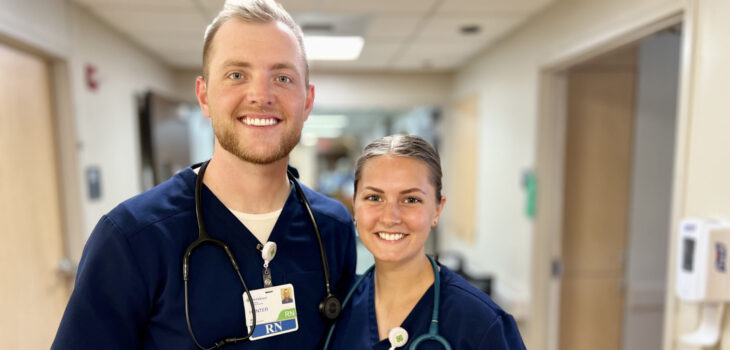
The transition from nursing school to bedside care is one of the most exciting—and challenging—times in your career. A nurse residency program provides the structured support and hands-on experience necessary to establish a strong foundation for success.
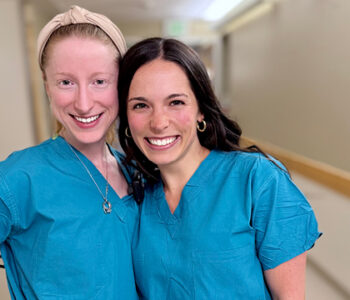
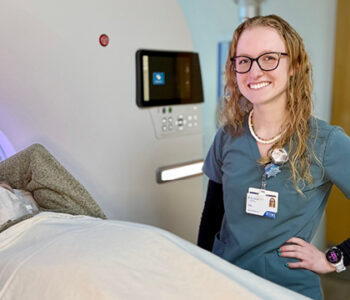
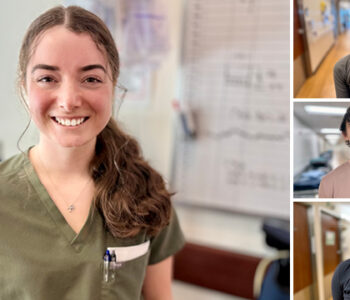
But what makes a residency truly special? Providence RN Residents Ireland and Rachel say it comes down to the people, the culture and the connections. Here are their five tips for finding the right residency for you.
1. Look for a culture of true teamwork.
When you’re new, a team that has your back is everything. The best environments encourage questions and offer colleagues who are always willing to lend a hand, even on the busiest days. A strong sense of community can turn a challenging shift into a manageable one—and a good day into a great one.
Rachel, part of the float pool team at Providence, felt this type of support immediately. “The nurses do a really good job at being super supportive and having each other’s backs,” she says. “Being new is really scary, but they were super supportive and never made me feel bad for asking questions or for help.”
Ireland, who works in the emergency department, describes her team as a family. She notes how colleagues step in to help without being asked. “If you’re lagging behind, somebody will pick up your slack,” she shares. “So, if I’m like, ‘Oh, I’ve got so much to do,’ and then I go to look at my track board, I’m like, ‘Oh, somebody did it for me.’ I really love my team.”
2. Find structured, ongoing education.
Nursing school gives you the knowledge, but a residency program helps you apply it with confidence. Look for programs that provide continuous, structured learning to bridge the gap between theory and practice and help you gain confidence in real-world settings.
The Providence RN Residency Program includes weekly classes that Rachel found invaluable as a new nurse. “Each week is focused on a different scenario that we’ll encounter,” she explains. “We walked through the scenarios and talked about what could go wrong and what to look for. Nursing school is one thing, but when you’re actually working as a nurse, it just sticks more when you’re in those classes.”
Also, ensure that you’ll receive educational opportunities after completing your residency. For example, all Providence caregivers have access to a bevy of learning and development resources, including tuition reimbursement, on-demand learning, fellowships for RNs who want to switch specialties, and nurse leadership training. Learn more about career development at Providence.
Rachel says that while she’s just starting out, she’s excited for future career opportunities. “I’ve seen other float nurses orienting to other units, continuing their education or becoming managers, so I have the confidence that I’ll be able to grow here, as well.”
And she likes that because Providence is a large health system, there’s potential to transfer within the system. “It’s comforting knowing that if we were ever to relocate because of school or family, it would be an easier transition to move to another Providence location.”
3. Jump at the opportunity to make connections.
Connections can open doors, sometimes in unexpected ways. Attend virtual or in-person hiring events, sign up for communications like our Talent Network—and make sure your profile is up to date—knowing every connection you make could be the one that leads to your dream role.
Before Ireland was a Resident, she leapt at an opportunity to become a nurse extern, which she calls a “two-year job interview.” It helped her build connections and ultimately land her current job as an ED RN.
Those connections can happen off the clock, too. New to the area, Rachel makes time to bond with her coworkers outside of the hospital—often on the pickleball court. She says with a laugh, “I’d play pickleball every day if I could, to be honest. It’s really fun.”
4. Seek accessible and supportive leadership.
Your manager and other leaders play a huge role in your daily work life and long-term development. When evaluating potential employers, look for leaders who are visible, approachable and genuinely invested in your success.
Rachel highlights how her manager’s hands-on support made a significant difference during her transition and beyond. “When I have issues, she actually sits down and shows me how to fix it,” she says. “She takes time out of her busy schedule to help me, and I really appreciate that. Overall, I feel really supported. This is a wonderful place to learn and grow in your nursing career.”
5. Choose a place that aligns with your values.
It’s important to feel good about where you work. Consider whether the organization’s values align with yours as it’ll increase your job satisfaction.
Providence’s Mission is to serve all, especially the poor and vulnerable. Our focus on people over profits resonates with our caregivers like Ireland and Rachel.
“We are more of a mission-focused hospital,” Ireland says, emphasizing that while the business side matters, she feels her team is more focused on connecting with every patient on a human level. “The most rewarding thing for me is when I have a patient say, ‘Nobody else took the time to talk to me. You took the time.’”
Consider starting your nursing journey with us
Choosing your first nursing role is a major decision. By seeking out a residency in a supportive, structured and mission-driven environment, you can set yourself up for a fulfilling and successful career.
Interested in Providence? Rachel says, “Go for it. It’s a really great place to work. Being a nurse anywhere is going to be scary, but it’s nice being in a place where you have people supporting you and making you feel safe.”
View all RN Residency opportunities. Not finding the right fit right now? Join our Talent Network to stay in touch.