 Caregiver Stories
Behind the scenes: How Providence teams support a better clinic experience
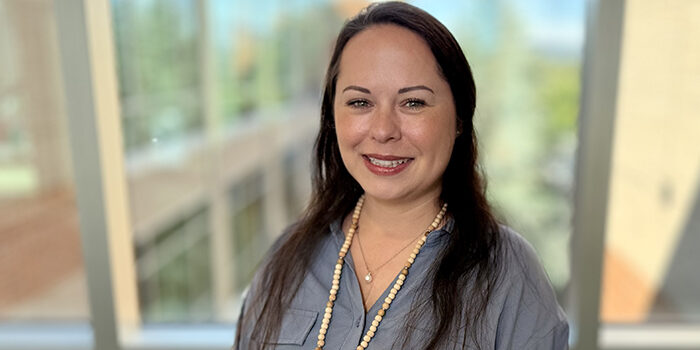
You don’t have to be at the bedside to make a lasting difference in people’s lives. At Providence clinics, some of the most meaningful work happens quietly behind the scenes. We spoke with Clinic Quality Supervisor Cassandra about how her non-patient-facing healthcare career helps improve care for patients—and the experience of the caregivers who support them.
She makes an impact beyond the exam room.
A patient’s medical chart is far more than digital paperwork: It’s a living roadmap of their health history. But with busy schedules and shifting guidelines, important preventive care milestones can sometimes slip by unnoticed. That’s where our quality assurance teams come in.
Cassandra’s team supports 19 primary care clinics throughout Southern Oregon, reviewing thousands of patient charts to catch the gaps that might otherwise go unnoticed.
“We comb through and update the records, making sure to catch any missed opportunities,” Cassandra explains. “For example, if a patient was due to return for a colonoscopy and their chart wasn’t updated, we wonder why. Maybe it needed to be set for three years, but it was set for 10 years. We love when we can find those things, let the clinics know, and they can reach out to the patients.” One small data correction can make a meaningful difference in a patient’s care.
Quality review roles like Cassandra’s offer caregivers a meaningful way to support patients and clinics beyond the bedside. “We’re able to help the patients without being face-to-face,” Cassandra says. “It’s deeply gratifying work.”
The role can also offer flexibility, giving caregivers more opportunities to work in a way that fits their lifestyle and personal needs. Cassandra works full-time now, but she initially joined Providence in a part-time position. “I’d adopted my first child, and at that time that’s what I was seeking,” she says. “I got in touch with some close friends I used to work with. They said, ‘You’ve got to come to Providence. They’re so great, and they’re super flexible.” More than a decade later, Cassandra still loves her job and the team she calls “very important and very special.” Today, she works in a hybrid role that allows her to spend most of her time working from home.
She turns data into better job satisfaction for caregivers.
Reviewing electronic medical records (EMRs) is only part of what our quality teams like Cassandra’s do. They also hold monthly quality meetings and translate learnings into practical training and tools that help clinic caregivers work more effectively. Cassandra creates what she calls “micro-learnings,” short, focused training sessions designed to simplify workflows, answer questions and help caregivers make better use of the tools available to them.
“It’s really geared towards medical assistants and front desk,” she says. “I’ll go through the training, and then I open up for discussion and conversation, and it’s really nice because medical assistants and patient service specialists will speak up about current workflow or process, and ask for recommendations about how to improve, or for clarifying questions about how to use tools like Epic more efficiently. I even conduct at-the-elbow training right there with them at their desk if they need it.”
For Cassandra, some of the most rewarding moments come when clinic leaders follow up to share that someone learned something new, improved a workflow or had an “aha” moment. Making everyday processes easier can reduce frustration, help caregivers feel more productive and happier at work.
She creates a culture of connection.
From the beginning, Cassandra felt welcomed at Providence. Now, as a leader, she does everything she can to help her team feel connected and valued. One important way she helps her remote team feel bonded is through a daily huddle.
“We go over the list of tasks,” Cassandra says. “The team wants to know, ‘What am I working on? What is the goal?’ Then we always have a nice connection time. We talk about how everyone’s doing, how their weekends were, how they practiced self-care. If someone is going through something, it presents an opportunity for them to show vulnerability, let the team in and let them be there for them. My team knows that they are my number one priority. I think they all look forward to the huddles.” She adds with a laugh, “If I cancel a huddle, I hear about it.”
Join our supportive clinic team
Whether you’re interested in working directly with patients or contributing behind the scenes, Providence clinics offer many ways to make a difference. And as Cassandra puts it: “Providence is a place where you can feel cared about. Where you can feel seen, you can feel heard, you feel important.”
If you’re interested in joining one of our clinic teams, here are a few ways to get started:
- View all open clinic roles or explore quality assurance roles like Cassandra’s.
- Create or complete a Talent Network profile to stay updated on new opportunities.
- Learn more about life at Providence clinics by watching a clinic caregiver video or reading caregiver stories